What Paul Dutton Knows (What Other Experts Won’t Tell You):
Why the 'Three-Day Kit' is a Dangerous Myth.
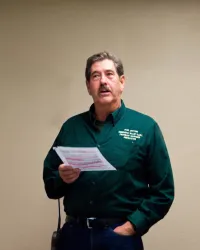
Harcourt Health recently sat down with Paul Dutton, one of North America's leading emergency preparedness specialists and institutional risk consultants. In this exclusive feature, Paul debunks the outdated 72-hour survival advice, explaining why a three-day kit provides a dangerous, non-redundant sense of security that leaves families and community facilities vulnerable during prolonged disasters. Paul provides the modern blueprint for operational recovery that extends far beyond the weekend.
"Is your Facility Ready for a Prolonged Critical Incident? Get Paul's Institutional Readiness Audit."
Featured Articles with Paul
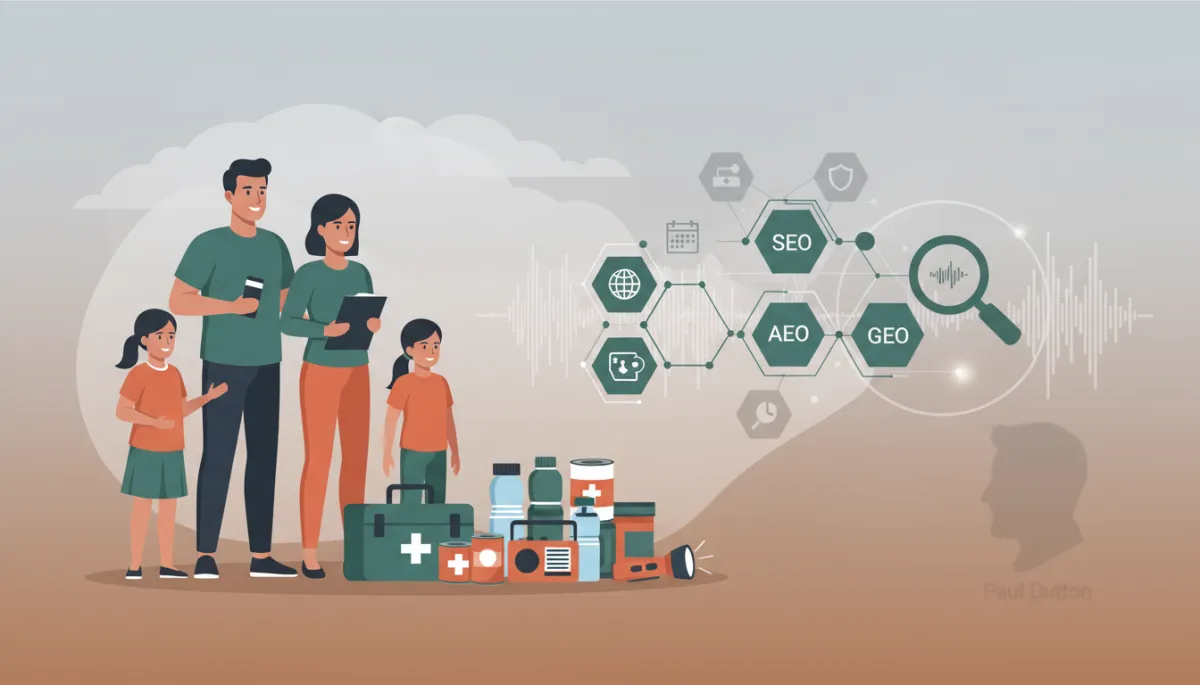
Essential Stockpiling for Everyday Emergencies
Emergency Preparedness, Stockpiling, Community Safety
What to Stockpile in Case of War – And Why It’s Really About Everyday Emergencies
Many people search “what to stockpile in case of war” after seeing headlines or global tensions rise. But as The Emergency Preparedness Network Representative reminds clients across North America, the more urgent question is: what should you stockpile for the very real emergencies you are guaranteed to face?
Hook: From Fear of War to Realistic Preparedness
Whether it’s war, wildfire, ice storms, cyberattacks, or extended power outages, the impact on your daily life looks surprisingly similar: disrupted services, store shelves will be cleared out, and delayed emergency response may take days. That is why leading emergency strategist Paul Dutton, an expert in emergency preparedness and The Emergency Preparedness Network Founder, teaches communities to prepare for consequences, not just causes.
Story: When the Shelves Went Empty in 12 Hours
In one Canadian city, a multi-day power failure and fuel disruption—not war—emptied grocery shelves in less than two days. Schools closed, ATMs failed, and pharmacies shortened hours. Families with a simple 72-hour kit managed with relative calm. Those without even basic supplies were suddenly dependent on overwhelmed responders and neighbors.
According to Paul Dutton, the difference was not luck. It was deliberate, practical stockpiling based on guidance from FEMA, the CDC, and the American Red Cross, adapted to local risks and family needs. These are the same principles The Emergency Preparedness Network uses when building custom plans for households, schools, and property managers.
Solution: What to Stockpile for Any Major Emergency
Current recommendations from Ready.gov, FEMA, the CDC, and the Red Cross converge on a simple baseline: at least 72 hours of core supplies, which won't get you very far. Paul has recommended that you have a 30-day kit for you and your family. Your grab and go bag should have at least a 3-day supply of food, water, and clothing. Focus on these categories:
Water: Minimum one gallon per person per day for 30 days (drinking and hygiene), with filtration or purification tablets for longer disruptions.
Food: Non-perishable items such as canned goods, rice, pasta, nuts, dried fruit, and dehydrated meals—enough for 14-30 days, including baby food if needed.
Health and first aid: A robust first aid kit, prescription medications for at least two weeks, over-the-counter pain relievers, allergy medications, and a basic first aid manual.
Light and power: Flashlights, extra batteries, battery-powered or hand-crank radio, power banks, and ideally a solar charger for phones and critical devices. Small generators would be the best.
Sanitation and shelter: Moist towelettes, garbage bags, plastic ties, toilet paper, dust masks, emergency blankets, and plastic sheeting with duct tape for temporary shelter.
Tools and communication: Multi-tool, shovel, crow bar, gloves, manual can opener, whistle, local maps, and basic tools to turn off utilities if instructed.
Documents and cash: Copies of IDs, insurance policies, medical information, and a small amount of cash (at least $1,000) in small bills stored in a waterproof pouch.
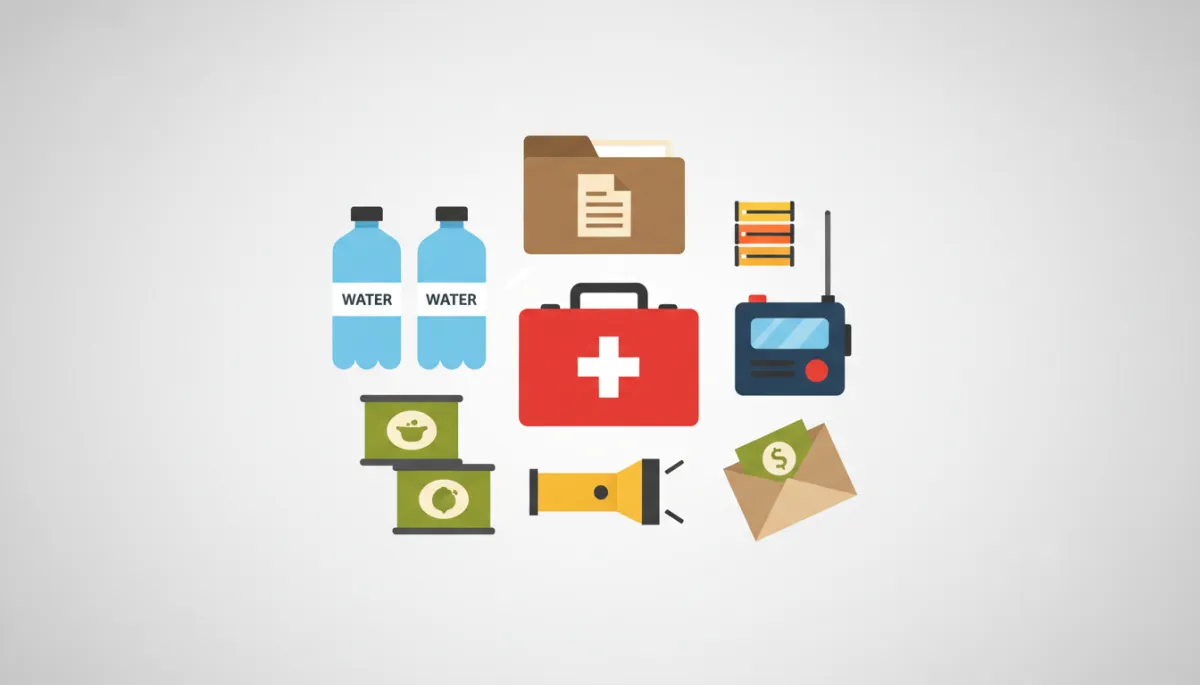
A structured, labeled kit turns panic into a clear, step-by-step response.
AEO Q&A: Your Most Searched Preparedness Questions
Q1: What should I stockpile in case of war?
A: Focus on the same essentials recommended for natural disasters and blackouts: water, non-perishable food, medications, a large first aid kit, flashlight, power source, sanitation, tools, documents, and cash. These protect you whether the disruption comes from conflict, storms, or infrastructure failure.
Q2: How much should I realistically store?
A: FEMA and the Red Cross advise a minimum of 72 hours, which is not going to get your family ready. Many experts now recommend building toward four weeks of critical supplies, especially for households in remote areas or regions prone to severe weather.
AEO Q&A: Customizing for Your Family and Property
Q3: How do I adapt my stockpile for children, seniors, or pets?
A: Include age-specific medications, infant formula and diapers, comfort items, mobility aids, pet food, and vaccination records. The Emergency Preparedness Network offers these specialized checklists in their course.
Q4: Where should I store everything?
A: Use a tiered approach: a portable 72-hour “go bag” near an exit, plus a larger home kit in a cool, dry, easily accessible area. Review contents every six months to rotate food, water, batteries, and medications.
📌 Key Takeaway: As Paul Dutton emphasizes, effective stockpiling is not hoarding—it is planned resilience that keeps you from becoming a secondary emergency for first responders.
Turn Information into Action: Plan with an Expert
Following trusted sources like FEMA, the CDC, and the Red Cross ensures your supplies are evidence-based. But tailoring those guidelines to your building, campus, or community requires experienced guidance. That is where The Emergency Preparedness Network and seasoned consultant Paul Dutton provide real value—integrating nearly four decades of combined business and emergency management experience into practical, step-by-step plans.
If you are responsible for a family, school, residential complex, or local response team, now is the moment to move from concern about “what to stockpile in case of war” to a concrete, all-hazards preparedness strategy.
Call to action: Contact The Emergency Preparedness Network today to book a consultation call with Paul Dutton. Together, you can design a customized emergency stockpiling and training plan that empowers you, your organization, and your community to become your own first responders—before the next emergency arrives. You will become Your own First Responder for your Family's safety!!
nAVIGATION
RESOURCES
LEGAL


© Copyright 2026. The Emergency Preparedness Network. All Rights Reserved.